
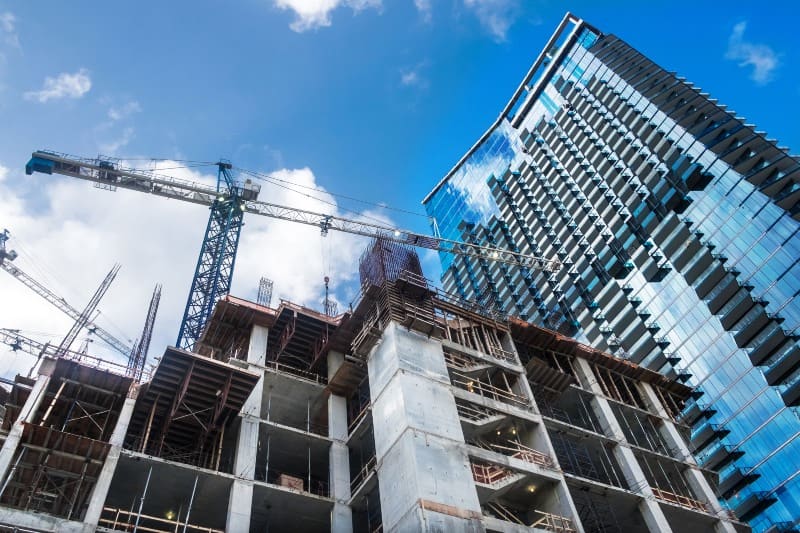
Construction plays a major role in shaping the spaces where people live, work, and interact every day. From residential homes to commercial buildings and large-scale developments, high-quality construction helps create safe, functional, and long-lasting environments. As building standards continue to evolve, the demand for reliable construction services and skilled project management has become increasingly important.
Experienced companies such as Element Construction Group Ltd contribute to modern development projects by delivering construction solutions that combine quality workmanship, efficiency, and attention to detail.
Why Quality Construction Matters
Strong construction standards are essential for both safety and long-term performance.
Structural Reliability
Well-constructed buildings are designed to withstand daily use, environmental conditions, and long-term wear. Proper materials and skilled workmanship help ensure buildings remain safe and durable for years to come.
Improved Energy Efficiency
Modern construction methods often focus on insulation, ventilation, and energy-efficient materials. These improvements can help reduce energy consumption and lower running costs for property owners.
Enhanced Property Value
High-quality construction can significantly increase the value and appeal of residential and commercial properties.
Key Stages of a Construction Project
Successful construction projects rely on careful planning and coordination from start to finish.
Planning and Design
Every project begins with detailed planning, including architectural design, budgeting, scheduling, and regulatory approvals.
Site Preparation
Before construction begins, the site must be prepared through groundwork, clearing, drainage planning, and foundation work.
Building and Installation
This stage involves structural construction, electrical systems, plumbing, roofing, and interior development.
Final Finishing and Inspection
Once the main structure is complete, finishing touches such as flooring, decoration, and safety inspections ensure the project meets required standards.
Trends Shaping the Construction Industry
The construction sector continues to evolve as technology and sustainability become more important.
Sustainable Building Practices
Many developers now prioritise environmentally friendly materials, reduced waste, and energy-efficient building methods.
Smart Building Technology
Modern buildings increasingly incorporate smart systems for lighting, heating, security, and energy management.
Flexible Design Solutions
Both residential and commercial spaces are being designed with adaptability in mind to accommodate changing lifestyles and work patterns.
The Role of Project Management in Construction
Effective project management is critical for delivering construction projects on time and within budget.
Coordinating Multiple Trades
Construction projects involve collaboration between architects, engineers, electricians, plumbers, and other specialists. Good coordination helps prevent delays and costly mistakes.
Managing Budgets and Timelines
Careful scheduling and financial oversight ensure projects remain efficient and cost-effective throughout the construction process.
Maintaining Safety Standards
Construction sites must follow strict health and safety regulations to protect workers, visitors, and the surrounding environment.
Benefits of Professional Construction Services
Working with experienced construction professionals offers several important advantages.
Access to Industry Expertise
Professional contractors understand building regulations, structural requirements, and best practices that contribute to successful project outcomes.
Higher Quality Workmanship
Skilled tradespeople and experienced project teams help maintain high construction standards across all stages of the build.
Reduced Stress for Clients
Clear communication and organised project management make the construction process smoother and more manageable for clients.
Challenges Facing the Construction Industry
Like many industries, construction faces ongoing challenges that require innovation and adaptability.
Rising Material Costs
Global supply chain pressures and inflation have increased the cost of many construction materials in recent years.
Skilled Labour Shortages
The industry continues to experience demand for qualified tradespeople and experienced construction professionals.
Environmental Responsibilities
Builders and developers are under increasing pressure to reduce environmental impact and meet sustainability targets.
FAQs
Why is project management important in construction?
Project management helps coordinate schedules, budgets, contractors, and safety requirements to ensure projects run efficiently.
What are sustainable construction methods?
Sustainable construction focuses on reducing environmental impact through energy efficiency, responsible materials, and waste reduction.
How long does a typical construction project take?
Project timelines vary depending on the size, complexity, and scope of the development.
What factors affect construction costs?
Material prices, labour costs, location, project size, and design complexity all influence construction budgets.
Why is quality workmanship important in construction?
High-quality workmanship improves safety, durability, energy efficiency, and the long-term value of a property.
Conclusion
Construction remains one of the most important industries supporting modern infrastructure, housing, and commercial development. As technology, sustainability, and design expectations continue to evolve, the importance of skilled construction services and reliable project management becomes even greater. By focusing on quality, efficiency, and long-term performance, construction professionals help create buildings and spaces that serve communities for generations.
About the Author


